
Pickling Line Notching Machine Built in Saudi Arabia for Precision
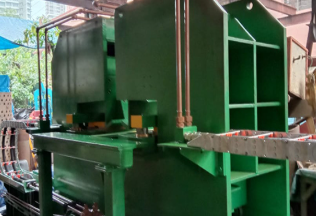
Saudi Arabia’s steel and metal processing industry is greatly enhancing, as ongoing ambitious infrastructure projects develop and the Kingdom has vision 2030 initiatives. Increased demand for high-quality steel products commands efficient high-tech machinery. Modern equipment enhances productivity and quality consistency while minimizing interruptions. One of the important classes of machines in steel processing is a pickling line notching machine, which is mainly used to notch metal strips and align them for pickling or post-pickling treatment. It is meant to improve precision in the process and reduce wastage; also, it is instrumental in improving the total efficiency of steel production lines.
What is a Pickling Line Notching Machine?
The pickling line notching machine is a specialized unit in steel processing lines to notch or scribe steel strips either just before or after pickling. These notches facilitate tagging, alignment, or separation of steel coils in subsequent processing. This machine is embedded in continuous pickling lines without leaving a gap in production. Notching machines can be mechanical, pneumatic, or hydraulic systems depending on the application and scale of production. Each system has its benefits,speed-wise, force-wise, and precision-wise, rendering these systems indispensable in up-to-date steel plants scoring high in quality and operational excellence.
Key Benefits for Steel Processors in Saudi Arabia:
- Business output gets boosted at the same time that wastage is minimized with the optimum processes delves the precision element. In this way, steel processors maximize output per unit input using advanced technologies and efficient workflow processes. This automation includes predictive maintenance and real-time monitoring to reduce errors, rework and scrap material. The operational process is simplified, resulting in more usable product and less waste, directly increasing productivity and decreasing operational expenditure.
- More efficient tracing and process control: In the steel industry, there is precision regarding the lot of raw materials or raw steel origin and processing history very essential for quality assurance, compliance, and recall management. Traceability improved should mean having a solid system to follow materials in raw form and through every step along their production until the final product. The more direct link to this is through advanced process control by establishing and maintaining precise parameters (temperature, pressure, composition, etc.) at each processing step. This would ensure a more consistent quality with fewer defects and a full audit trail, important for meeting the high standards and demands set by the industry and the customer.
- The most promising of these are long-term cost savings and increased throughput as to the ultimate financial benefits. Cost savings in the long run depend on multiple reasons: less material waste, optimized energy consumption, lower costs of maintenance owing to predictive maintenance and efficient machinery, and minimized labor costs through automation. Whereas increased throughput refers to processing more steel in a given timeframe. By developing the efficiency of operations, minimizing the bottlenecks, and overall speed of operations, steel processors are able to improve throughput. With this additional increased output capacity while at the same time incurring lower operational costs, profitability is improved immediately alongside a competitive advantage in the marketplace.
Choosing the Right Notching Machine
Important Factors to Consider While Choosing Notching Machine for a Pickling Line in Steel Processing
1. Strip Thickness Compatibility
It is important to choose a notching machine that has the ability to accommodate the strip thickness for your specific requirement. Such machines should be very strong for thicker strips and very precise for thinner strips; otherwise, the notching will lead to either damage or poor-quality cutting performance.
2. Line Speed Synchronization
The machine will be very seamless in operating with the desired line speed when bottlenecks are not present. In fact, very high-speed lines require even more sophisticated systems that synchronize processing with top speed yet still excellently accurate.
3. Automation Level
Modern machines feature programmable logic controls (PLC), touchscreens, and adjustments by hand. Automation usually represents less human error, more regular output, and better secured functions. Select the kind of system depending on workforce capability and production plans.
4. Integration
Notching machines should be able to integrate with the existing line. In addition to the above, machine control system, conveyor, and strip tracking technology should be able to integrate with such power.
5. Resistance to Severe Conditions
Typical desert conditions, including heat, dust and humidity, create some challenges in Saudi Arabia. Therefore, it is recommended for machines to be constructed with corrosion-resistant materials, strong enclosures, and cooling systems, as well as sealed control panels. Such measures may guarantee machines serve effectively for quite a long time.
6. Local Technical Support
Having dependable local service support guarantees almost no downtime. Choose only those brands or suppliers that deploy local technicians, make spare parts available, and provide remote diagnostics. This minimizes downtime for their customers.
Conclusion
The choice of a pickling line notching machine is done after adequate consideration of technical requirements and operating conditions. Consider production requirements, expected levels of automation, and resilience to environmental conditions. In this regard, working with trusted manufacturers with sufficient local support will ensure product optimization, minimum downtime, and sustained success in the ever-changing Saudi steel sector.
