
Enhancing Pickling Line Efficiency: The Role of Notcher Systems in Saudi Arabia Steel Industry
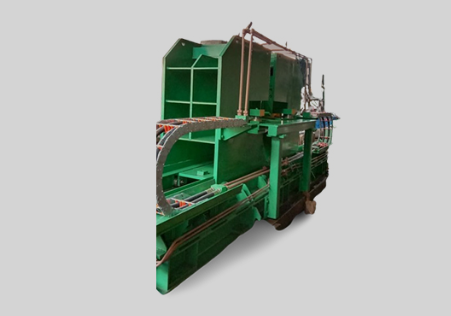
The notcher for pickling line process in steel production is the removal of scale, rust, and surface impurities from the metal strips using an acid solution, which gives a clean finish for further processing. The aim is to keep precision and efficiency in the pickling line to ensure product quality, minimize wastage, and let downstream processes run smoothly. A good notcher system comes into play here by preparing strip edges for better alignment and less interruption to line operations. The high-quality steel demand in Saudi Arabia for sectors such as construction, oil & gas, and manufacturing has led to the acceptance of advanced notcher systems in modern pickling lines.
Key Functions and Benefits of a Notcher for Pickling Line System
An enhanced notcher for pickling line system has just been installed as part of the fully automated pickling line that has been equipped for modern pickling of steel strips. The following key features and benefits of the notcher system for processing steel coils are summed up:
1. Edge Treatment and Control before Pickling
A notcher precisely trims the edges of metallic strips before they can enter acid pickling, for which treatment this becomes important in avoiding strip overlap and providing homogeneous edges necessary for good-quality surface treatment of the steel.
2. Improved Strip Guidance Reduced Downtime
It improves the strip alignment, whereby it makes the coil run centrally through the pickling line. It will minimize the chances of strip misguidance or machine stoppage and help improve overall line productivity with less downtime.
3. A Better Kiln Tracking and Waits for No Interleaving Strip
Creates notches exactly at regular intervals, which help with keeping the strip on track, particularly when joining or threading a coil. Strip overlapping – a very common equipment-damaging and process efficiency-reducing effect-is avoided.
4. Minimizing Material Waste and Maximizing Operational Safety The notching system saves material by optimizing strip width and improving transitions between coils. Furthermore, it ensures improved safety of operators as well as reducing the risk of accidents at floor level by enhancing line stability and strip handling
Applications in the Saudi Arabian Steel Industry:
Steel is, naturally, extensively used in Saudi Arabia in a multitude of sectors:
- Construction and Infrastructure: This is, by far, the largest consumer of steel, especially long products like rebars and structural steel. The mega-projects of NEOM, the Red Sea Project, and Riyadh Metro, along with the continued residential, commercial, and industrial building, are generating great demand. The flat products (coils, sheets, plates) are to be used in several construction elements.
- Oil and Gas: Seamless pipes for exploratio,d productio,n and transport are amongst the high-pressure applications where steel is very important. It is also used by the steel industry in the construction of platforms, refineries, and other such infrastructure.
- Automotive: Steel is important for the manufacturing of the bodies, engines, and chassis of vehicles. Increased emphasis on localized manufacturing for the automotive sector under Vision 2030 will further drive this demand.
- Manufacturing: Steel is a core input in many manufacturing processes, such as in the use of electrical appliances (like refrigerators and washing machines), machinery manufacturing, the production of metal products, and transportation equipment (ships and trains).
- Renewable Energy Projects: Steel is now required for solar farm construction, wind turbines, and the infrastructure associated with them because Saudi Arabia is spending a lot of money on renewable energy.
Why Notcher Systems Are Important for Processing Steel Coils:
Notcher for pickling line systems perform vital roles in steel coil processing, particularly in the making of components cut to shape and size specifications. Although notcher systems can be said to apply to a variety of notching machines, they mostly refer to equipment that performs precise trimming or cutting on edges or ends of steel coils or strips in steel coil processing.
Importance includes:
- Precision and Accuracy: Notcher systems not only ensure precise but also clean notches needed for product integrity and functional effectiveness; rather than waste and rework.
- Efficiency and Productivity: Automating or streamlining the notching process will improve efficiency in metal fabrication and boost productivity. Such systems can give quicker cutting speeds and lessen the labor intensity of work compared with manual methods.
- Versatility: Notcher systems can manage different thicknesses of materials and are adjustable according to the various cutting angles, making such a system able to do very versatile applications.
- Preparation for further processing: Notching prepares coils or strips for subsequent processes, which involve bending, welding, or assembly, by producing profiles or openings within which the latter can operate in making components to interlock or fit perfectly.
Conclusion
Notcher for pickling line systems are among the most important segments of a modern pickling line in improving the efficiency, precision, and safety of operations. Through edge preparation, strip alignment, and reduced material waste, notchers contribute to smoother processing as well as better steel output. For steel producers in Saudi Arabia, acquiring state-of-the-art notcher technology would improve production performance but also match international standards and sustainable practices. The increased demand for quality construction and industrial steel has made installing very reliable notcher systems a long-term gain by reducing downtimes and enhancing profitability. Now is the time to upgrade and future-proof your pickling line.
