
High-Quality Leveller Machinery Built in Saudi Arabia for Performance
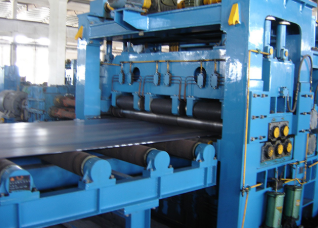
Leveller machinery plays an important role in their operation, ensuring flatness and uniform thickness of metal sheets and coils. The applications for these machines exist in steel manufacturing, automotive, construction, and fabrication industries where precision and quality of materials are unquestionable. The demand for performance leveling solutions has soared in the Kingdom of Saudi Arabia, given the rapid expansion of infrastructure projects, the development of industrial zones, and the requirements of Vision 2030. This blog acts as a platform to examine the significance of listing top leveller machinery manufacturer of the region, as well as offering a glimpse into some emerging trends that will mold the future of metal processing in the changing industrial landscape of the Kingdom.
What is Leveller Machinery?
Leveller machines correct flatness-related defects in metal sheets or coils by passing them through rollers that apply controlled bending forces. This process works by relieving internal stresses and assuring uniform thickness and surface flatness for further processing or fabrication. The commonly used types include Precision levelers for thin, high-tolerance materials, Plate levelers for heavy-gauge sheets, and Coil levellers for continuous lines. The major components include work rolls, backup rolls, entry/exit pinch rolls, and hydraulic or servo-driven adjustment systems. State-of-the-art levelers are outfitted with PLC-based control systems providing real-time precision and automated performance monitoring.
Features to Look for in a Leveller Machinery Manufacturer
- Engineering Excellence and Material Durability
Among top manufacturers, strong engineering ability coupled with the use of high-quality, durable materials is the priority. This results in almost lifelong machines, reduced downtime, and performance under tough industrial conditions. Seek proof of innovation in design, the efficiency of power transmission, and wear resistance.
- Advanced Automation and Precision Controls Modern leveller machines are highly benefited by advancements in automation and precise controls like PLCs, sophisticated sensor technologies, and very user-friendly HMIs. These factors lead to great accuracy in leveling and thus minimum wastage of material, less time in setting up, and better overall efficiency.
- Local Service Support and Customization Options Local service support is highly reliable for rapid maintenance, troubleshooting, and replacement parts, thereby minimizing loss in the production process. Besides, a good manufacturer must be able to offer customization options for the leveller machine in line with your specific types of materials, ranges of thicknesses, and production requirements for the best possible integration into your existing workflow.
- Compliance with Global Quality and Safety Standards
Clients ensure that the makers comply with globally recognized quality and safety standards (e.g., ISO certifications, CE marking, or equivalent regional standards). This will be his guarantee that the machine will perform reliably and ensure a safe atmosphere for operators and compliance with regulations, which is a matter of concern while operating internationally.
Why Choose a Local Manufacturer in Saudi Arabia
Compared to other kinds of manufacturers throughout the world, going for a local leveller machinery manufacturer in Saudi Arabia has many advantages, which come from efficiency and effectiveness, not to mention the savings one will get from the economy.
- Faster Turnaround Times and After-Sales Support: Undoubtedly, local manufacturing has the most significant lead time advantage. This means rapid communication, shorter production cycles, and quicker delivery of finished products. It mostly matters when there are tight deadlines or when on-demand supplies are needed by an industry. Local leveller machinery manufacturer also tend to offer faster and more effective after-sales support. Troubleshooting, reaching technical maintenance, or supplying spare parts would mostly take an instant deployment of local teams rather than waiting for long-distance travel. This helps minimize disruptions and maintain business continuity. Most of the time, such a very rapid response is a critical factor for retaining productivity and the satisfaction of clients.
- Awareness of Regional Industrial Needs: Local manufacturers are privy to the internal reality of the industrial system, legal requirements, and cultural parameters that exist within the borders of Saudi Arabia. Such factories normally understand what it means to meet local standards, what certifications are necessary, and what compliance usually entails; these understandings take time and resources to cultivate. Thus, localized knowledge assures that products are designed and manufactured with exact regional specifications and with less risk of being out of compliance, rework, and delays. The experience in local preferences and demand can be incorporated into the solution, making it much more effective.
- Cost-Effective Transportation and Setup: Engage a local manufacturer and cut back on organizing and transporting things. Not shipping them internationally has done away with duties and generally has reduced a lot from import procedures; all these together cut astronomical sums off transportation, insurance, and handling fees. That means that it becomes shorter for the supply chain, entirely cutting down the risk of damage or loss while in transit. For installation, local teams are easily available, which further reduces travel expenses and accommodation while avoiding possible visa complications arising from bringing in foreign personnel. Such a cycle is not only cheaper; it further accelerates the completion of projects.
Conclusion
We concluded that for efficiency, specialist knowledge, and economic benefits, engaging with a local leveller machinery manufacturer in Saudi Arabia is an attractive option for businesses. The faster turnaround times, enhanced after-sales support, a profound understanding of regional industrial requirements, and economical logistics and installation would facilitate a manufacturing partnership that is simpler, more compliant, and arguably more successful within the Kingdom
