
Enhancement of galvanizing efficiency: tension units for galvanizing lines in Saudi Arabia
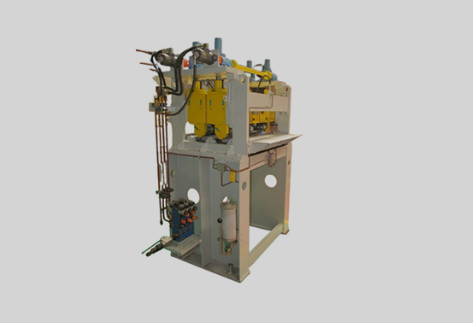
Galvanizing is an industrially important process that coats steel or iron with zinc to protect against corrosion and prolong the life of metal components in severe conditions. Saudi Arabia is fast becoming a hub of steel production and metal processing with industrialization and infrastructure development. Increasing demand for quality galvanized steel effectively necessitates deploying state-of-the-art equipment like the tension unit for galvanizing in Saudi Arabia. These units maintain tension in the steel strip through the galvanizing line, ensuring uninterrupted operation while allowing a consistent coating and surface finish, both critical for structural and automotive construction.
What is Tension Unit for Galvanizing?
The galvanizing tension unit in Saudi Arabia is a vital mechanical equipment associated with Continuous Galvanizing Lines (CGL) that control the tension exerted on the moving steel strip during coating application. A typical unit consists of rollers, load cells, and tension controllers, all working synchronously to accomplish an even strip motion. The controlled tension avoids the occurrence of slack, misalignments, or breakage during operations such as zinc coating, heating, and cooling. Moreover, constant tension is critical to achieving good quality galvanization, accurate coating thickness, and overall stability of the line. The advanced tension units in Saudi Arabia’s developing steel industry ensure the efficiency and defect-free galvanization.
Different Types of Tension Units for Galvanizing are Used
A tension unit on a galvanizing line in Saudi Arabia, as in any other place, plays an important role in maintaining reasonable strip tension for uniform coating quality and smooth operation. Usually, tensioning units are bridle rolls, dancer rolls, and load cells, each with its own features and uses.
Standard Tension Control Methods
- Bridle Rolls: This tension device consists of two or more rolls, one of which is at least driven. The rolls grip the strip to apply tension. Generally employed to manage loads, they exert substantial pulling force. A key feature of bridle systems is their sturdy design and higher capability of handling tension applications. In this favourable role, the bridle rolls help control strip speed and tension in different parts of a galvanizing line.
- Dancer Rolls: Dancer rolls are movable rollers that ride on top of the strip, and their displacement is used to sense and control tension. The dancer roll itself is subjected to a known, precise force from a spring, pneumatic cylinder, or weighted lever, which in turn applies a corresponding tension on the strip. They enjoy great automation and integration with line control for their position provides feedback for the precision control of tension, mainly in addressing dynamic tension and speed changes.
- Load Cells: These sensors directly measure any force exerted by the strip against a roll. They offer high accuracy and real-time tension feedback. Load cells are perfect for load management because they provide direct quantitative data for precise control and analysis. Their forte is giving highly accurate readings, which is imperative in advanced automation and integration with line controls for closed-loop tension control systems.
Key Features
- Load Management: This defines the ability of the tension unit to apply a certain amount of pull on the metal strip. This is very critical to avoid strip breaks, assure the adhesion of the zinc coating, and keep a consistent material flow throughout the galvanizing process. Bridle rolls and load cells are very strong here due to direct force application or measurement capabilities.
- Automation: Modern tension unit for galvanizing are largely integrated into an overall line control system, allowing automatic adjustments responding to real-time feedback. This reduces manual intervention, increases efficiency, and gives improved consistency. The position feedback from dancer rolls and measurements from loadisle are most essential to realizing advanced automation.
- Integration with Line Controls: This involves the rasterizing communication and coordination between the tension unit and alternate processing control of the galvanizing line. Synchronization of speed changes and fast-tensioning adjustments as well as total optimized operations will translate into better product quality and less downtime.
Customization Options
Tension unit for galvanizing are customized to satisfy certain demands of the galvanizing line, concerning coatingduction speed and strip gauge (thickness).
- Production Speed: High-speed lines require tension units that can rapidly respond to change and keep stable. This might include powerful motors for bridle rolls, fast-acting pneumatic systems for dancer rolls, or load cells with high sampling rates. At high speeds, system response time is imperative.
- Strip gauge: ,Thicker heavier strips require tension units capable of generating and sustaining higher forces. It thus means a more rigid construction, bigger rolls, and higher capacity actuators for both bridle and dancer rolls. For a thinner gauge, the emphasis may be on sensitive and accurate control to avoid stretching or tearing.
The tension unit for galvanizing in Saudi Arabia, the aforementioned factors will be of utmost importance in ensuring smooth and efficient production of high-quality galvanized steel, in tune with the requirements of the regional market and industry standards.
Key Factors to Consider When Choosing a Tension Unit Supplier
- Reliability: This is of utmost significance. A tension unit in a continuous galvanizing line (CGL) works under arduous conditions, continuously pulling to adjust and obtain the correct tension. Equipment downtime is very costly. Suppliers with a proven record of designing and manufacturing tension units based on endurance, durability, and long life service need to be prioritized. Rest for references and take a close look at their warranty and mean time between failure (MTBF) claims.
- Precision Controls: Galvanized steel quality is critically dependent on tension control that is both constant and accurate. The units from the selected supplier must provide mechanisms for controlling tension with high precision (e.g., sophisticated algorithms for dancer rolls, precise load cells) to reduce tension excursions, the chances of strip breaks, and uneven coating thicknesses. The end product quality and customer satisfaction are impacted by this.
- After Sales Support: The very complexity and criticality of galvanizing lines make after-sales support an absolute must. Ideally:
- Spare Parts Availability: Fast availability of genuine spare parts is vital to keep downtime limits on maintenance work or unscheduled repairs.
- Technical Assistance and Troubleshooting: A technical specialist of the supplier shall be accessible to provide troubleshooting and optimization, both remotely and at the site.
Training for the operational and maintenance staff in the proper handling and maintenance of the tension units to maximize their longevity and performance.
- Service Agreements: Look for suppliers that provide service agreements to include preventive maintenance and regular inspections. A local presence in the Middle East or a strong regional partnership dedicated to providing after-sales support would save significantly on reaction time and assist with many logistical challenges.
- CGL Systems Compatibility: The tension unit should fully integrate electrically with the control systems of your existing or planned Continuous Galvanizing Line (CGL). This covers electrical interface for communication protocols (e.g. Profibus, Ethernet/IP) and software compatibility. A supplier familiar with CGL applications will facilitate a less hassle-free integration, thereby ensuring overall operational performance of the line.
In a tension unit for galvanizing in Saudi Arabia, these considerations will be of utmost importance when looking to ensure an efficient way to produce superior quality galvanized steel as per the whims of both the regional market and the industry standard.
