
Custom Roll Forming Equipment in Saudi Arabia for Smooth Production
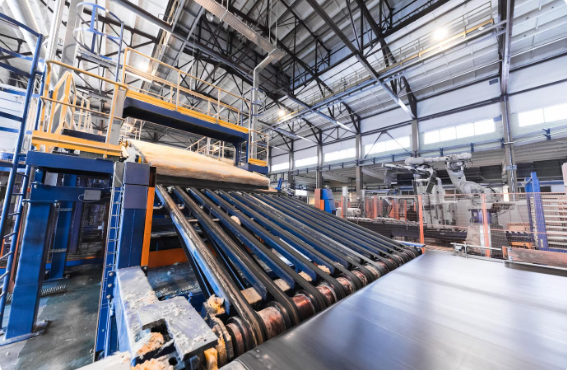
Roll formation is a continuous method that is used to shape steel or aluminum sheets to make metal and, eventually, to create a very stable and specific profile configuration. This technique is responsible for mass production at minimum cost, and with very low waste, with high-power components, which makes it important for construction and motor vehicle areas, and even energy. The major spurring factor for roll forming equipment manufacturer in Saudi Arabia is expanding markets and industries under the Mega Infrastructure Projects and Vision 2030. Since this market keeps on developing, the choice of reliable roll forming equipment manufacturer with top-oriented technology becomes important to maintain regular quality, operational efficiency, and long-term return on investment in this competitive environment.
What is Roll Forming Equipment?
Roll forming equipment is a special machine used to bend long strips of metal, generally made from steel or aluminum, into specific cross-section profiles by bending them progressively through a continuous process. The basic components of a roll forming unit include a decoiler, which feeds the raw material into the system; roll stations, where forms are progressively shaped on the metal; and cutting units or devices to cut the final product to the desired lengths. Roll forming equipment manufacturer are widely demanded in construction, such as roofing sheets and wall panels (automotive), structural components, energy, such as solar panel frames, and logistics, such as racking systems, so it is well equipped for high-speed production, precision, and little scrap.
Factors Driving Demand in the Saudi Market for Roll Forming Equipment Manufacturer
The market of Saudi Arabia is probably the most booming and dynamically growing at this time due to several factors which are deeply knitted under the Kingdom of Saudi Arabia’s ambitious Vision 2030 plan. These include the following:
1. Growth in Infrastructure, Housing, and Industrial Areas:
Mega-projects and Giga-projects: Vision 2030 is driving unprecedented mega and giga projects such as NEOM, The Red Sea Project, Qiddiya, and Diriyah. These projects will create entirely new cities, luxury tourism destinations, entertainment hubs, and cultural sites, and they will all require massive investments in infrastructure (roads, railways, airports, ports, and utilities) and a wide variety of housing solutions. The construction market is forecast to be worth USD 99.99 billion by 2025, reaching USD 128.35 billion by 2030, thanks to the inflow of private and governmental funds for these initiatives.
- Urbanization and a Growing Population: Saudi Arabia is experiencing a fast and continuously increasing growth in population and urbanization; the major cities include Riyadh, Jeddah, and Dammam. This trend leads to a specific requirement for enhanced infrastructure systems, residential units, and commercial and public service spaces.
- Housing Development: The raising of supply and affordability by many programs, such as ROSHN, which aims for hundreds of thousands of homes to be provided by 2030, fosters construction activity in the massive residential sector through government organs driven by the Ministry of Municipal and Rural Affairs and Housing.
- Industrial Complexes: New industrial cities are being developed, and even some specialized industrial complexes have been set up, particularly in Dammam, which is part of its contribution to the diversification of the economy, attracting advanced manufacturing investments, and job creation within the state as needed. These areas are in preparation for massive infrastructural developments required to operate and function.
2. Increased Use of Steel and Aluminum in Construction:
Steel and aluminum are important construction materials that are in demand due to the ongoing construction boom. There are many applications in modern construction in steel and aluminum:
- Structural structure: for high-growing buildings, long-term structures, and a variety of architectural designs.
- Reinforcement: Strengthening concrete for durability in all types of construction.
- Infrastructure Projects: Bridge, Metro Lines, and Airport Examination.
- Prefunded and modular constructions: Kingdom is encouraging modern construction methods (MMC) to be used, where these materials are mainly used due to the speed of assembly.
- Continuous construction: Meditation occurs in green building practices, while some applications of steel and aluminum are considered sustainable construction through their ability to be recycled.
3. Focus on Local Manufacturing and Reduced Import Reliance:
- Economic Diversification: One of the primary objectives within the Vision 2030 framework is the diversification of the Saudi economy, which takes it away from traditional dependence on oil. Promoting local construction is one of the most important pillars of this strategy to create new industries and raise non-oil GDPs.
- National Industrial Strategy: Saudi Arabia has launched programs such as the Industrial Area Assistance initiative (ISSI) and the National Industrial Strategy to attract investment in the industrial sector, increase local content, and improve competition of local factories. This includes provisions for support to factories producing direct grants and important imported goods.
- Supply chain flexibility: The ability to manufacture construction materials and other major items locally increases the supply chains of Saudi Arabia, allowing low dependence on imports and disintegration risks related to global disruptions.
- Job creation and knowledge transfer: The Local manufacturing initiative is equally focused on creating job opportunities for Saudi citizens and enabling the transfer of knowledge and technology within the state, allowing the local workforce to grow.
- Strategic Partnership: Saudi Arabia actively pursues partnerships with international firms to create local construction facilities, as seen in agreements on construction materials and other industrial products.
Conclusion
The developmental thrusts under Vision 2030 have accelerated markedly in Saudi Arabia, with their upward demand for roll forming equipment manufacturer too. From huge infrastructure projects to housing, energy, and industrial development, the entire country is building at a higher speed than ever before. This makes local roll forming machine-making all too much important in assisting the industries to function faster, smarter, and more efficiently. Selecting a manufacturer is more than just purchasing a machine; it is an assurance for quality later on for smooth operations, and better returns on investments in an opportunity-stricken market.
